
Demystifying DRAM Performance, Timing, and Architecture
VYSynthesized by Vyra1 min read2 sources cited
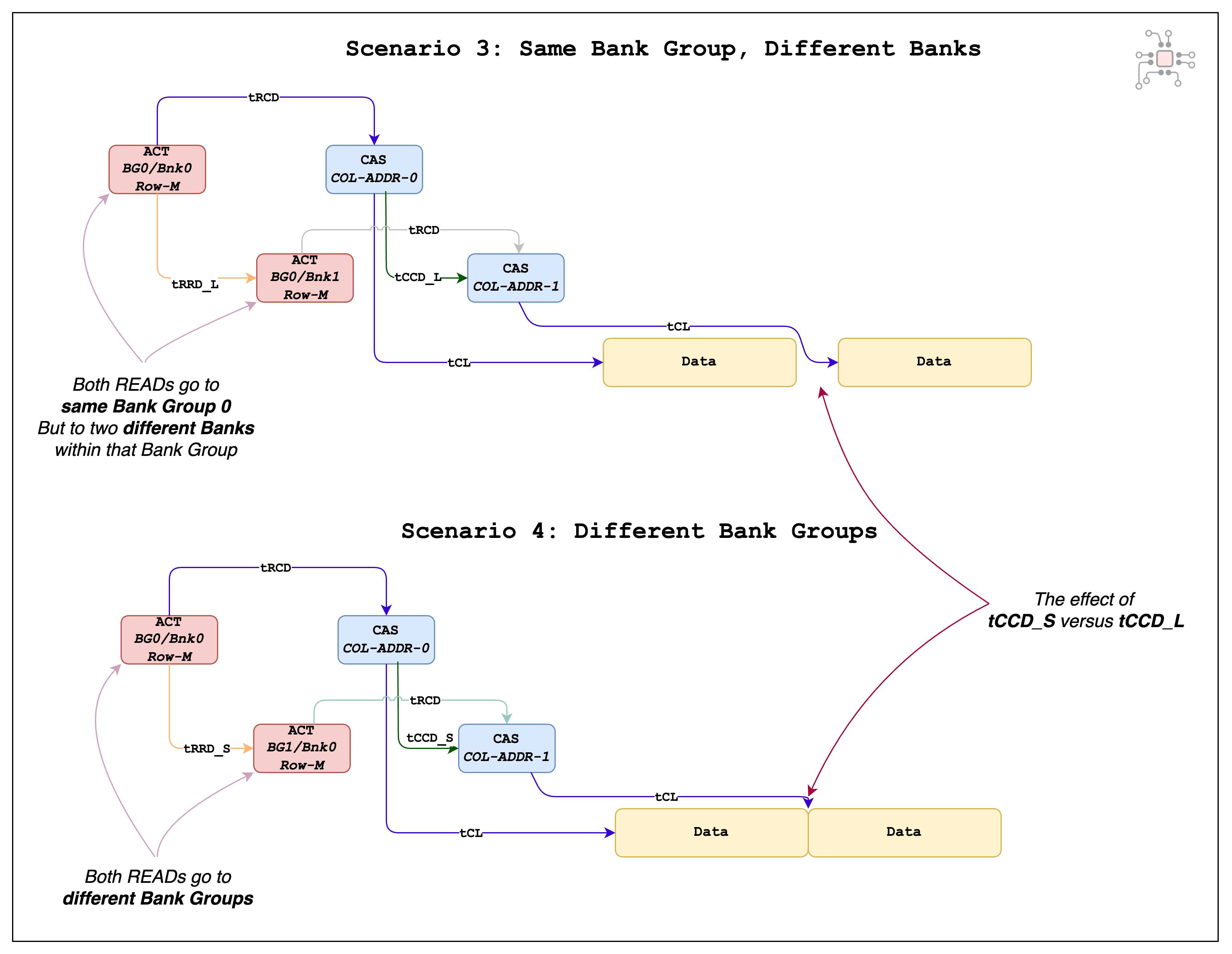
An engineering guide to understanding DRAM subsystems, timing parameters, and memory bottlenecks.
Key Takeaways
- Subbu explains that DRAM subsystems rely on physical structure, timing parameters, and calibration.
- Performance across AI, networking, and compute applications is frequently limited by memory bottlenecks.
- Bandwidth represents theoretical peak performance, whereas effective throughput depends heavily on access patterns and timing constraints.
Synthesized Analysis
According to Subbu writing in Chip Log, designing a robust memory subsystem requires mastering three key dimensions of DRAM. First, the physical structure dictates how data is stored across cells, banks, and dies. Second, timing parameters govern the rules for reading and writing data. Third, initialization and calibration handle environmental variations over time. Many modern workloads remain strictly memory bound.
Where Sources Differ
Editorial Contrast & Varying Emphases
The first source emphasizes timing parameters and effective bandwidth extraction, while the second source focuses on physical cell structures and hardware hierarchies.
For Builders: Vitraga's Take
Software Systems Implication
vitraga.com ↗Engineering teams must carefully optimize memory access patterns and understand underlying hardware constraints. When designing ML architectures or compute offload algorithms, accounting for DRAM timing parameters ensures maximum effective bandwidth and reliable execution.
Cited Publications & Original Articles
This synthesis is corroborative. We attribute claims to the original writers and provide direct links below:
Image: Chip Log
Chip Log
By Subbu
Image: Chip Log
Chip Log
By Subbu