

PPeter Yang•Nov 20
Creator Economy Offers Promotional Codes For Claude Max And Grok Bot
— tools
Peter Yang announces a limited giveaway of promotional codes for paid subscribers of Creator Economy.
Anthropic has completed the largest initial public offering in history, achieving a remarkable two trillion dollar market valuation.

Peter Yang announces a limited giveaway of promotional codes for paid subscribers of Creator Economy.
Ruben Dominguez examines the operational challenges of preventing knowledge rot in team artificial intelligence architectures.

An exploration of production challenges, evaluation strategies, and architectural approaches for deploying enterprise-scale autonomous AI agents.
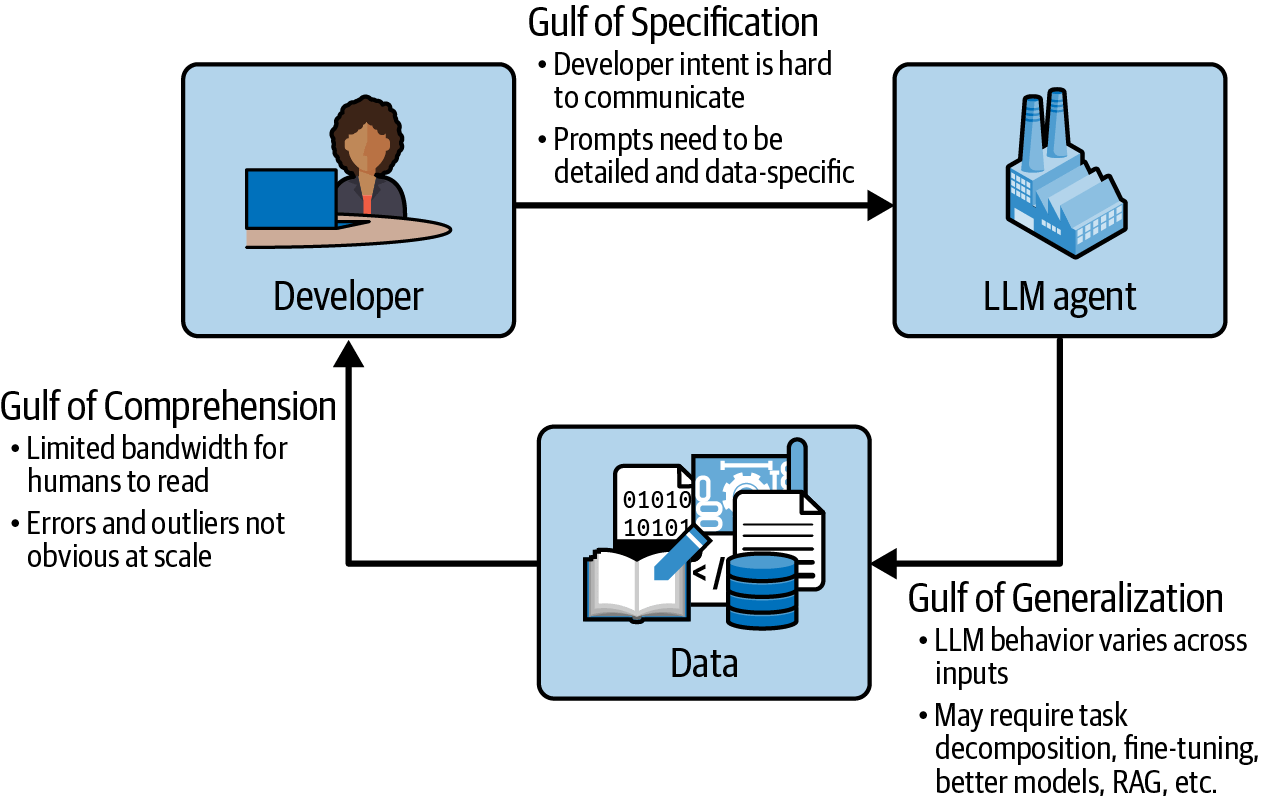
An exploration of high-spend AI-driven software development workflows and massive pull request volumes.

Gergely Orosz reports on Anthropic going public in a major industry milestone.

37 articles
Peter Yang announces a limited giveaway of promotional codes for paid subscribers of Creator Economy.
Ruben Dominguez examines the operational challenges of preventing knowledge rot in team artificial intelligence architectures.
An exploration of production challenges, evaluation strategies, and architectural approaches for deploying enterprise-scale autonomous AI agents.
An exploration of high-spend AI-driven software development workflows and massive pull request volumes.
Gergely Orosz reports on Anthropic going public in a major industry milestone.
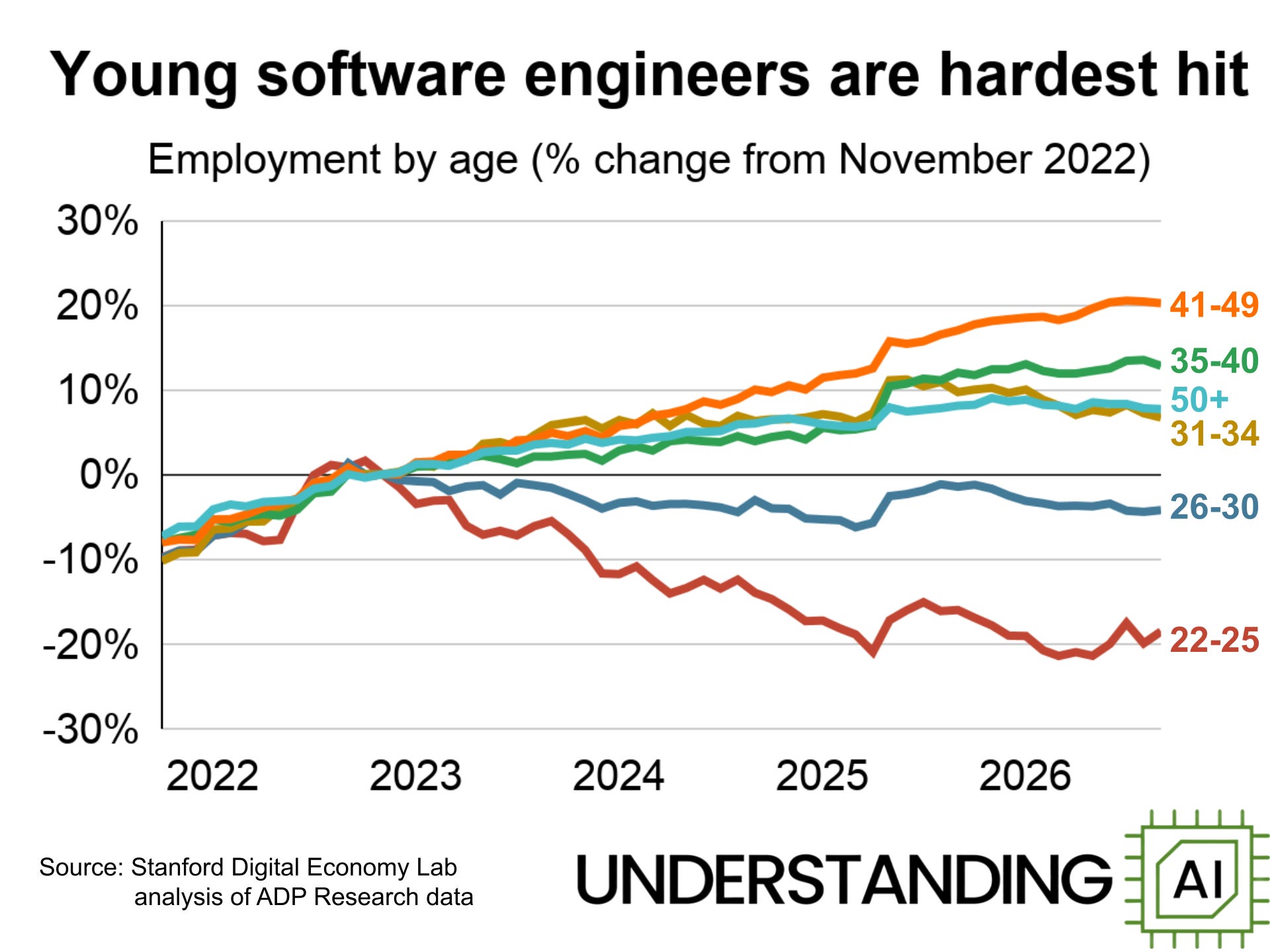
As AI giants approach massive public valuations, incoming political shifts threaten upcoming infrastructure growth.

Michael Spencer compares two prominent personal AI assistants in a rapidly evolving technological landscape.
Anthropic has completed the largest initial public offering in history, achieving a remarkable two trillion dollar market valuation.

An analysis of user perceptions regarding humanlike traits in conversational artificial intelligence systems.

An analysis of Nvidia's historical trajectory reveals core principles required for new computing architectures to succeed.
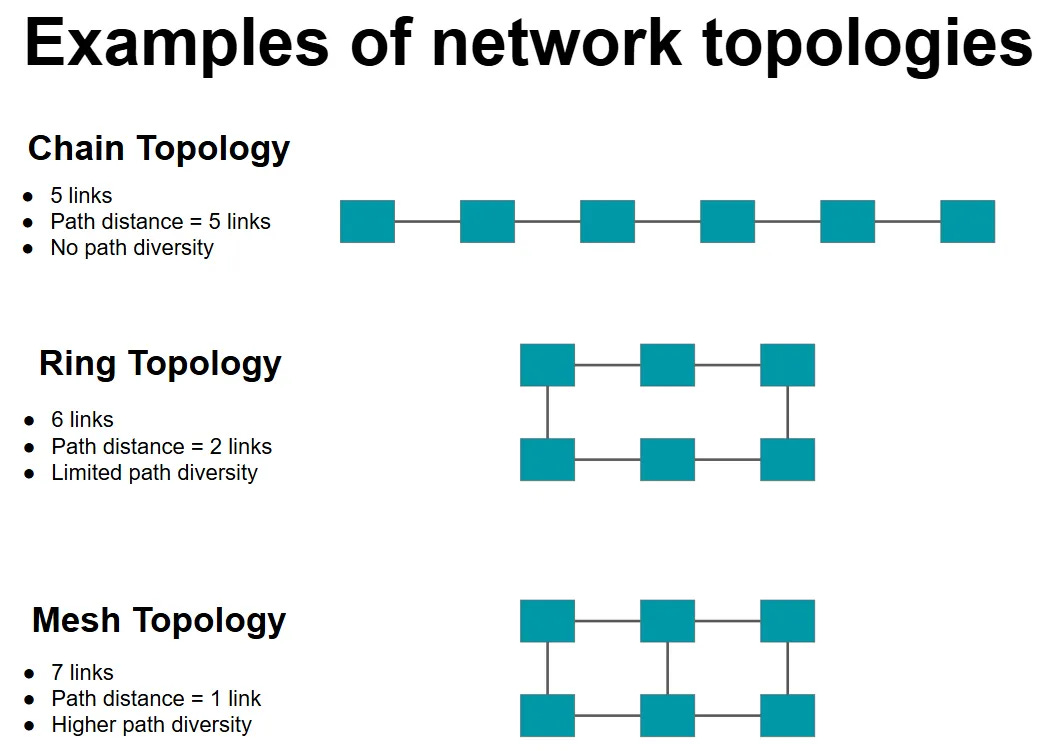
An architectural look at how modern computing chips manage data movement across internal components.
An analysis of how generative artificial intelligence impacts technical content creation and research workflows.

As the hardware landscape fragments into a dizzying array of acronyms, engineers must distinguish between genuine architectural breakthroughs and mere branding exercises.

A technical breakdown of major industry conferences that shape hardware engineering roadmaps.

An exploration of custom accelerators and mapping algorithms to silicon.
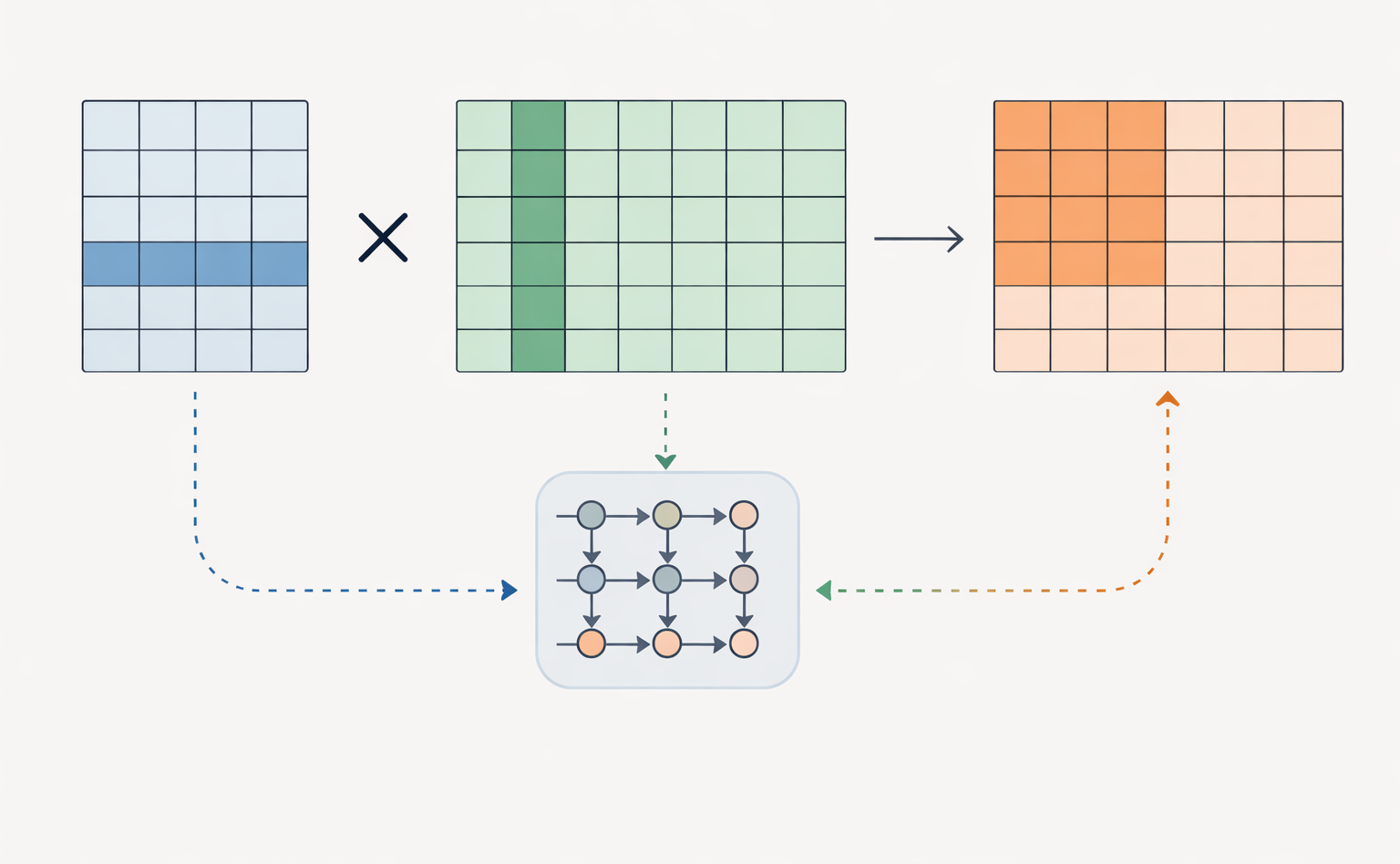
An open-source custom hardware accelerator project aims to bridge the gap between software and silicon by focusing on matrix multiplication.

An exploration of utilization, throughput, and latency using the TinyXPU architecture.

Historical parallels suggest that scaling AI compute depends more on power and cooling than silicon.

Bharath Suresh introduces a new video format aimed at retaining semiconductor industry insights.

A technical breakdown of how power, performance, and area are measured as hardware moves from RTL code to physical silicon.

A foundational look at how local hardware and software stack up during a standard inference call.
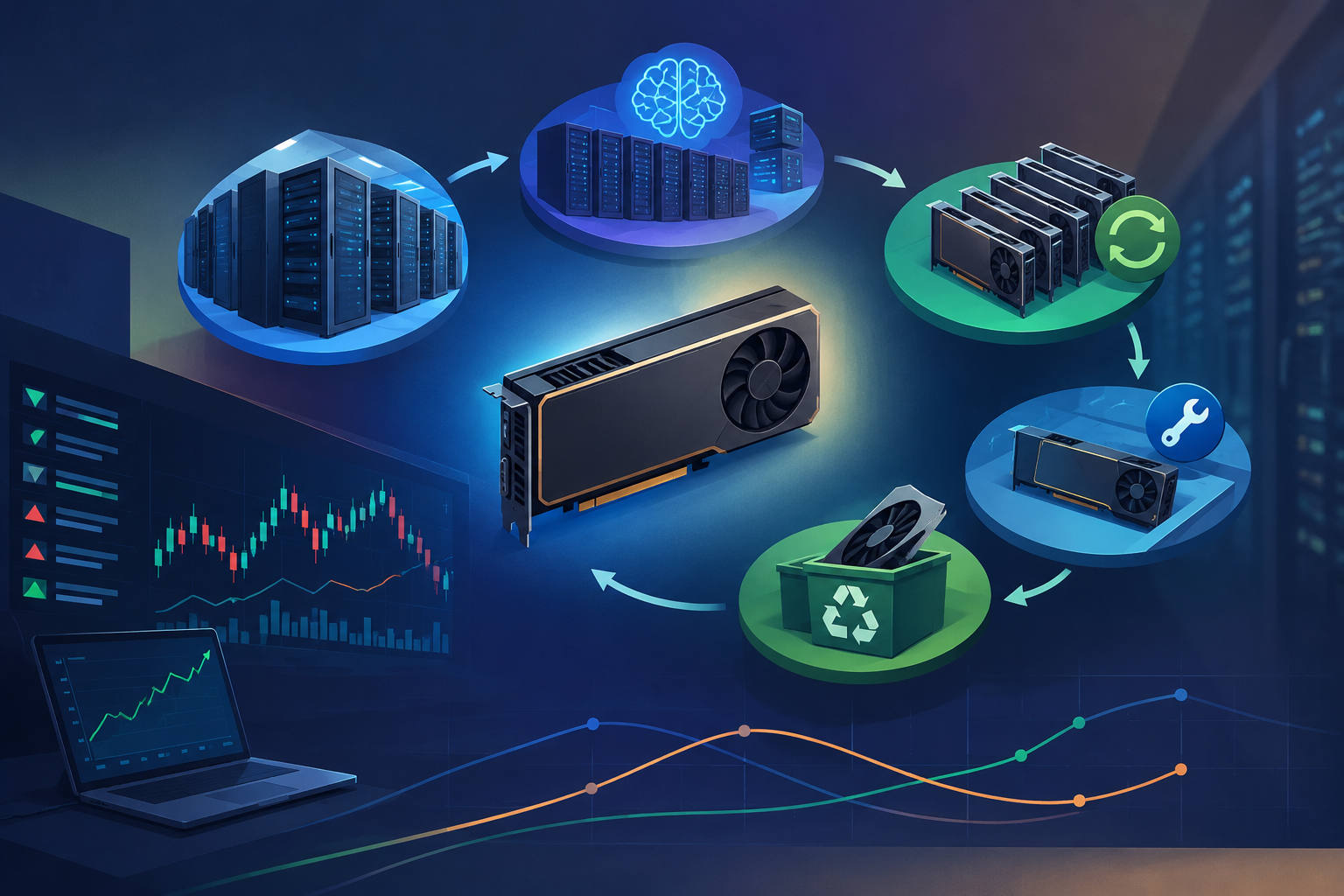
An expert examination of how datacenter GPUs retain value, transition across different economic lives, and continue generating demand long after newer chip generations arrive on the market.
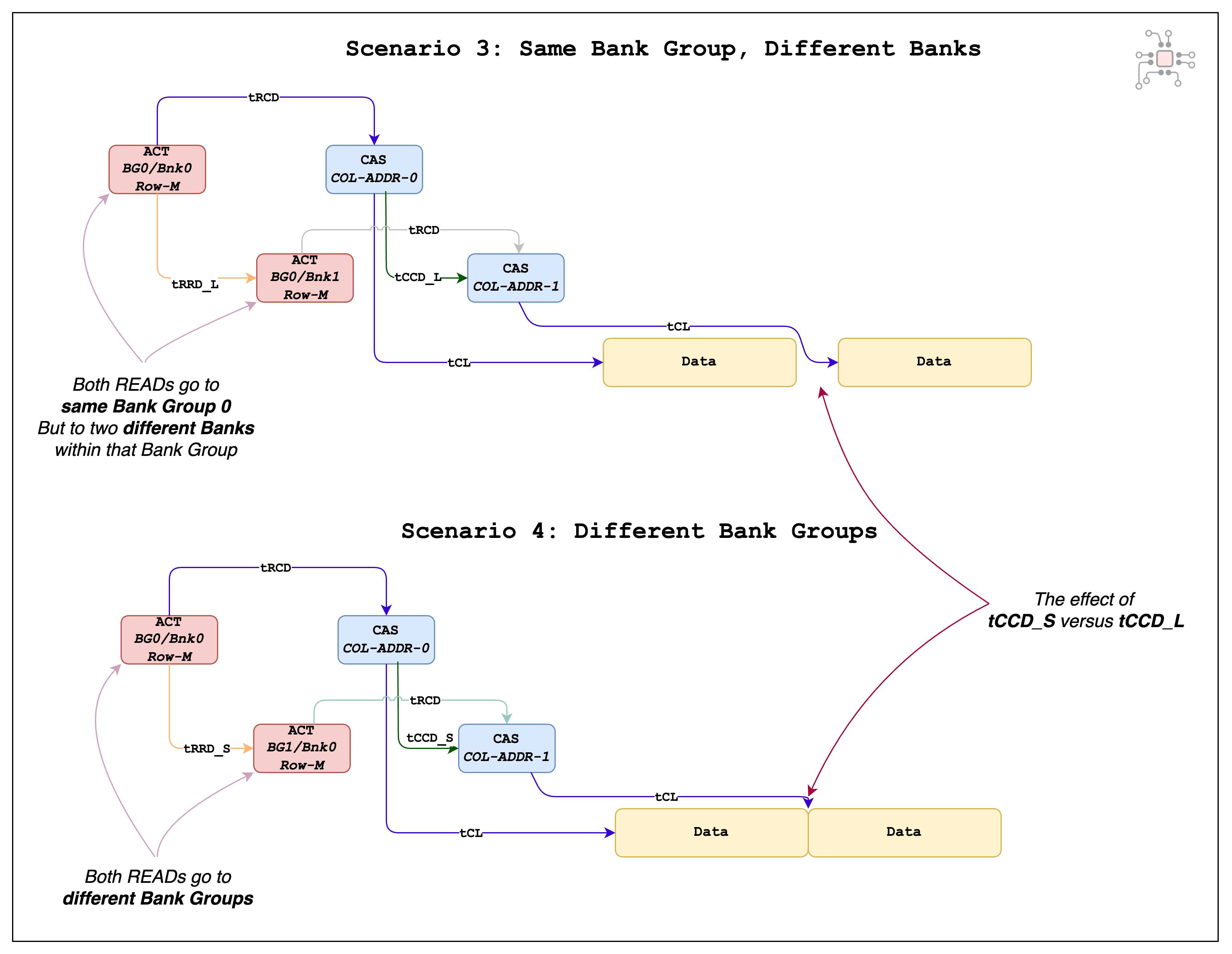
An engineering guide to understanding DRAM subsystems, timing parameters, and memory bottlenecks.
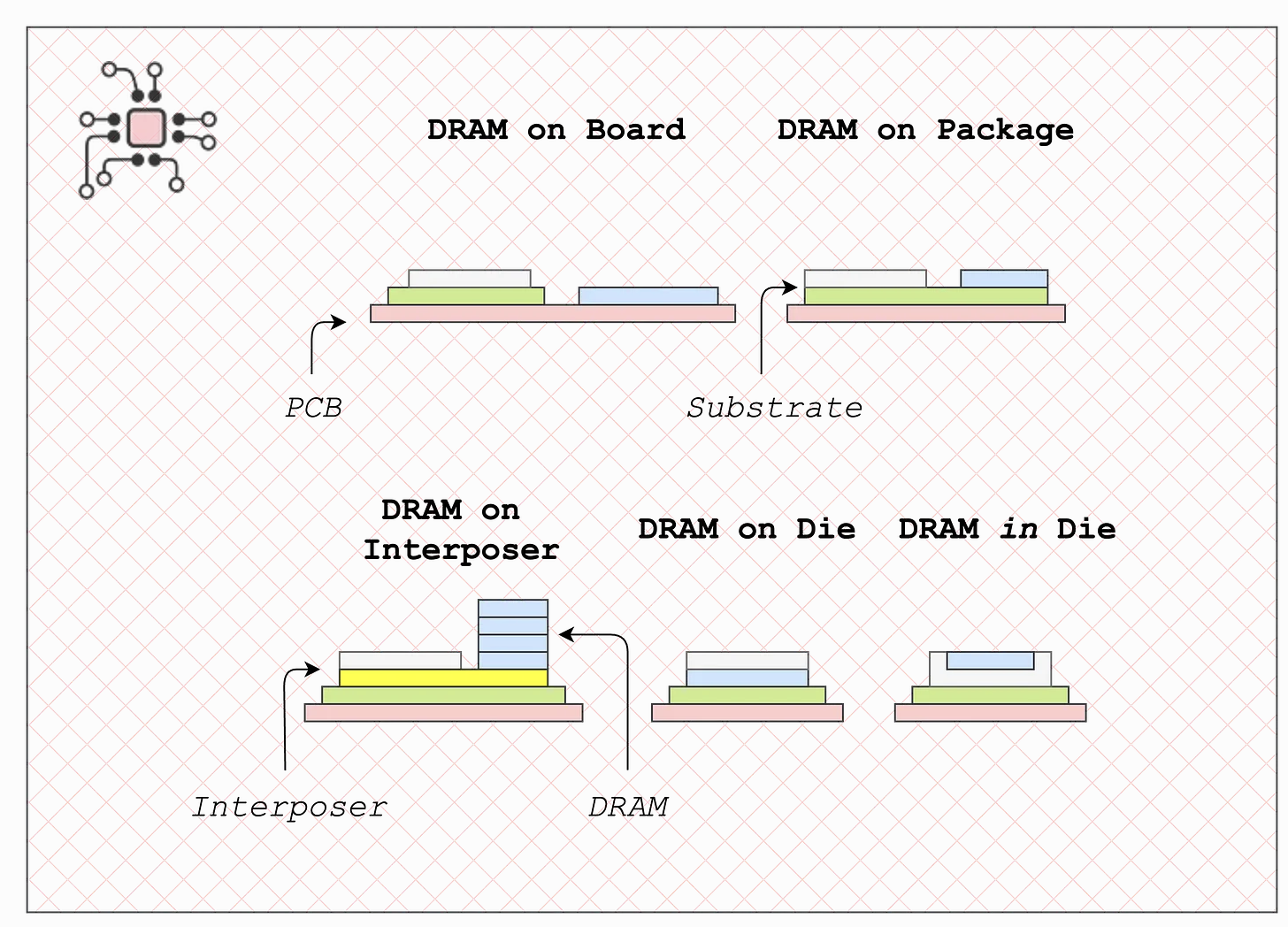
An analysis of five distinct architectural methods for integrating DRAM and compute silicon.
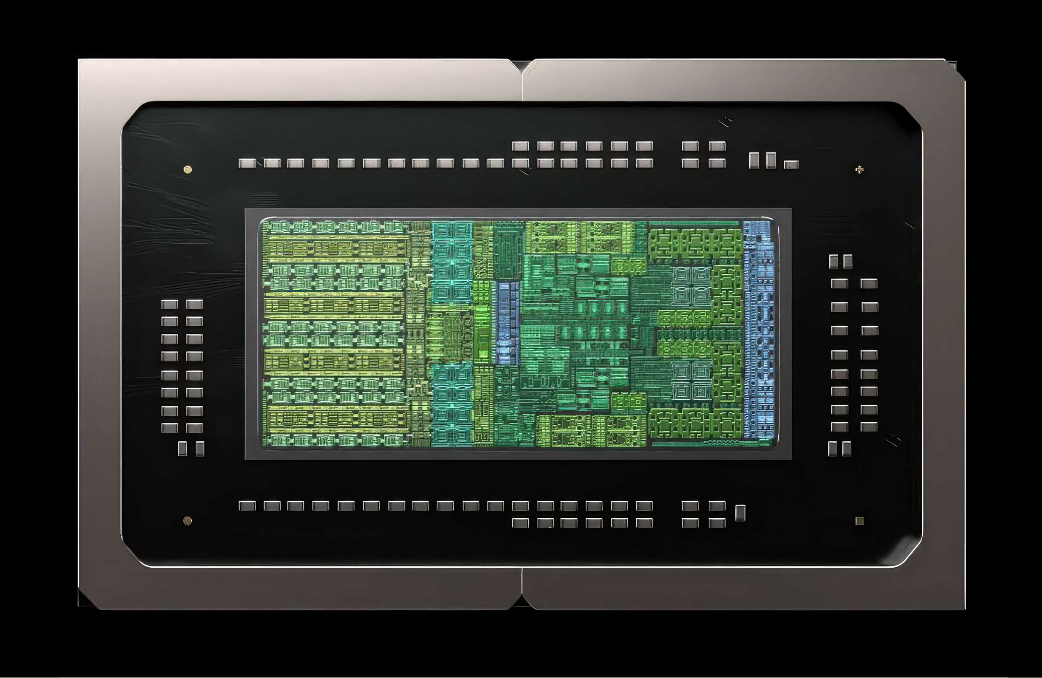
A technical breakdown of the GB10 system-on-chip powering NVIDIA's newly shipped DGX Spark hardware.
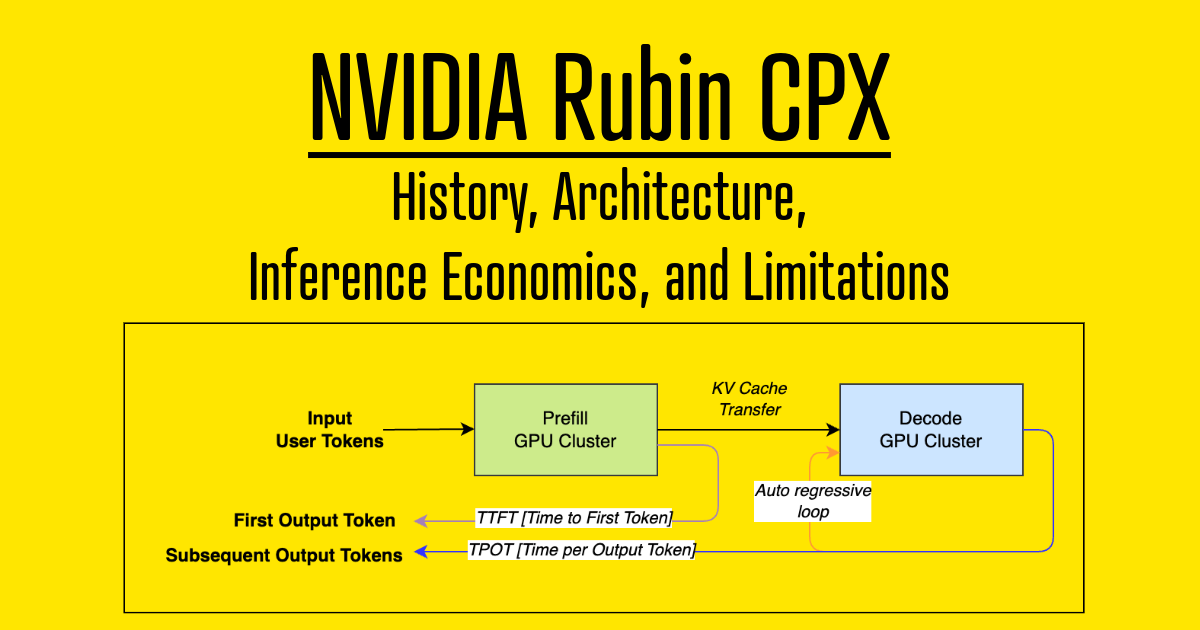
Nvidia introduces the Rubin CPX processor to disaggregate LLM prefill and decode stages for cheaper inference.
NVIDIA unveiled a new appliance to expand KV cache capacity beyond the GPU rack.
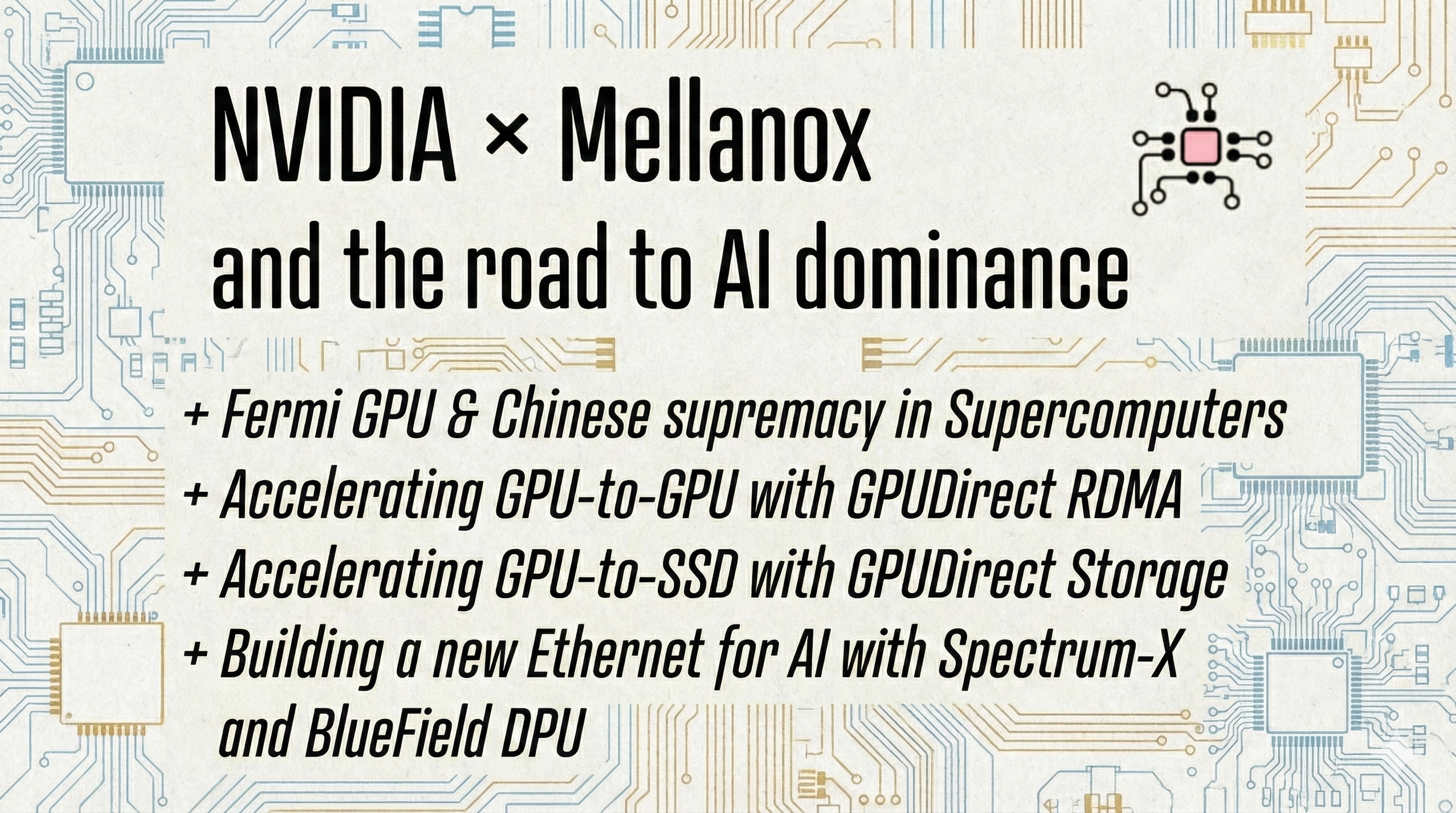
Subbu details how the NVIDIA and Mellanox partnership systematically eliminated network bottlenecks to establish absolute dominance in modern AI data centers.

Chip Log explores how Cisco's controversial spin-in model inadvertently funded Arista and Pensando.
Speculative decoding splits inference into distinct drafting and verification phases, requiring heterogeneous hardware.

Deploying cutting edge AI hardware involves massive operational hurdles and hardware reliability challenges.
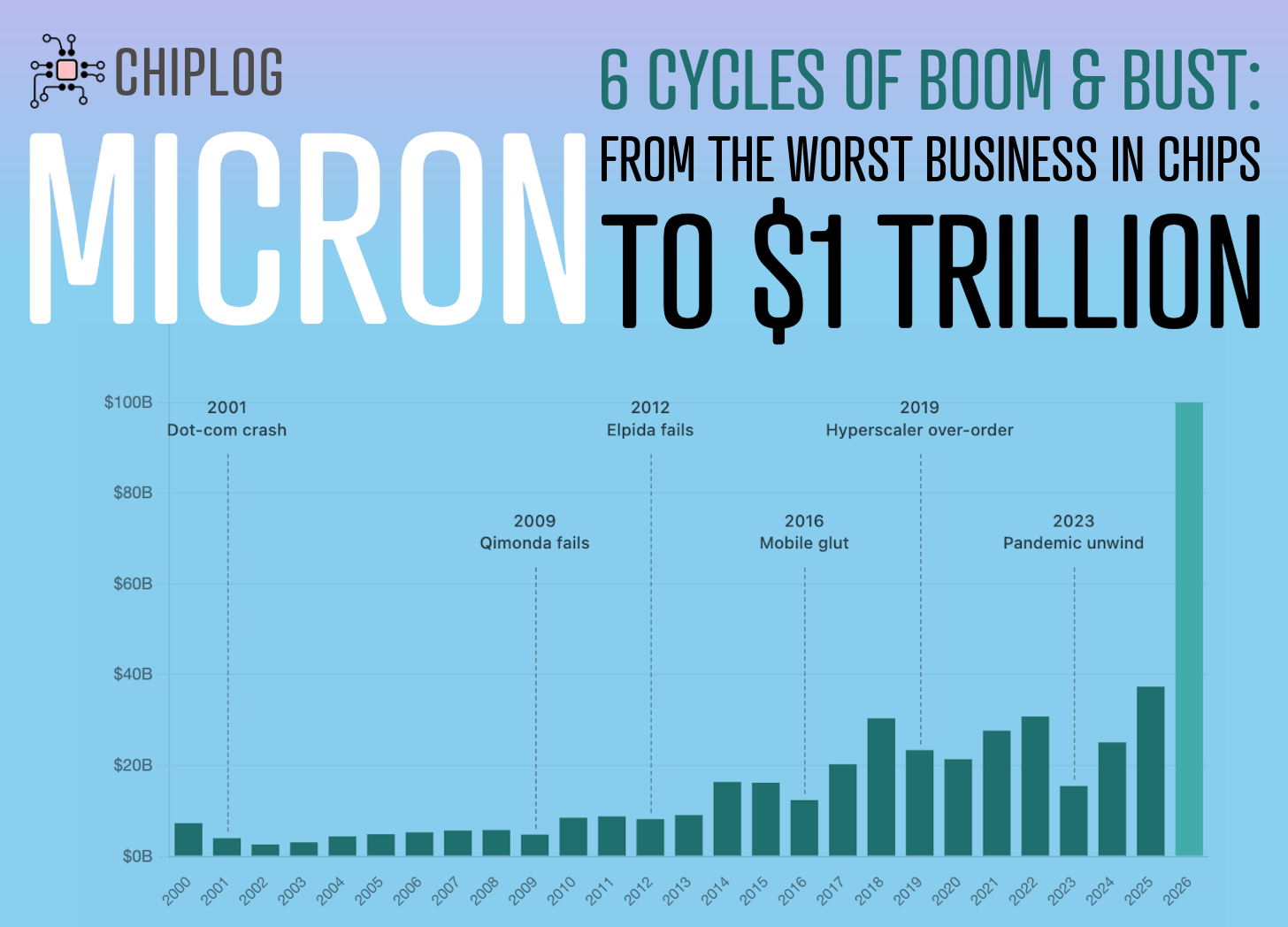
Memory chipmakers reach historic financial milestones driven by unprecedented artificial intelligence demand and long-term supply agreements.
Hardware architectures shift as companies explore splitting attention and feed-forward networks.
Qualcomm enters the AI infrastructure race through a strategic acquisition and new silicon roadmap.
Subbu previews major architectural reveals at Hot Chips 2026, highlighting d-Matrix's 3D DRAM innovations.
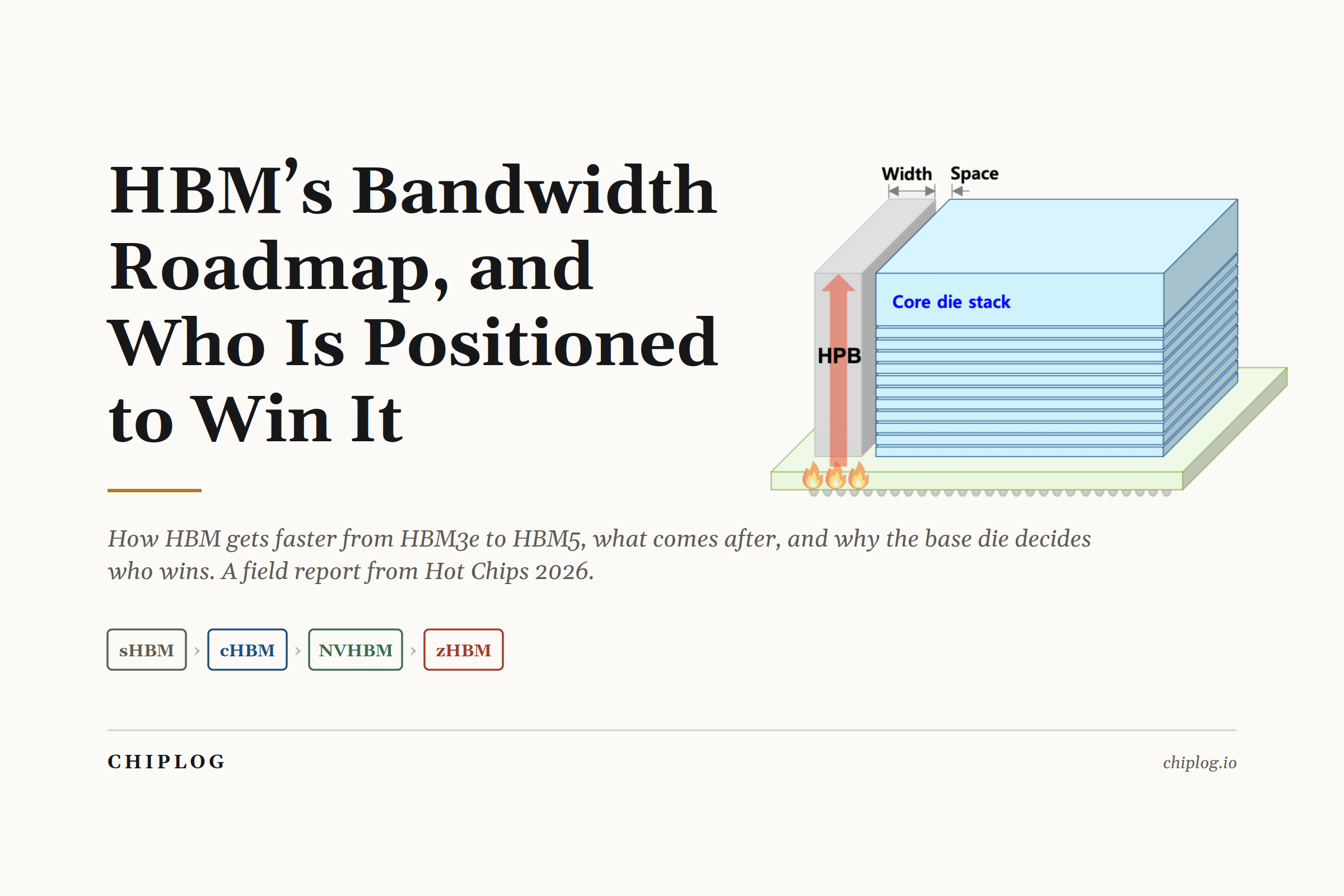
Samsung and SK Hynix outline HBM4 memory advancements while highlighting significant hardware trade-offs.
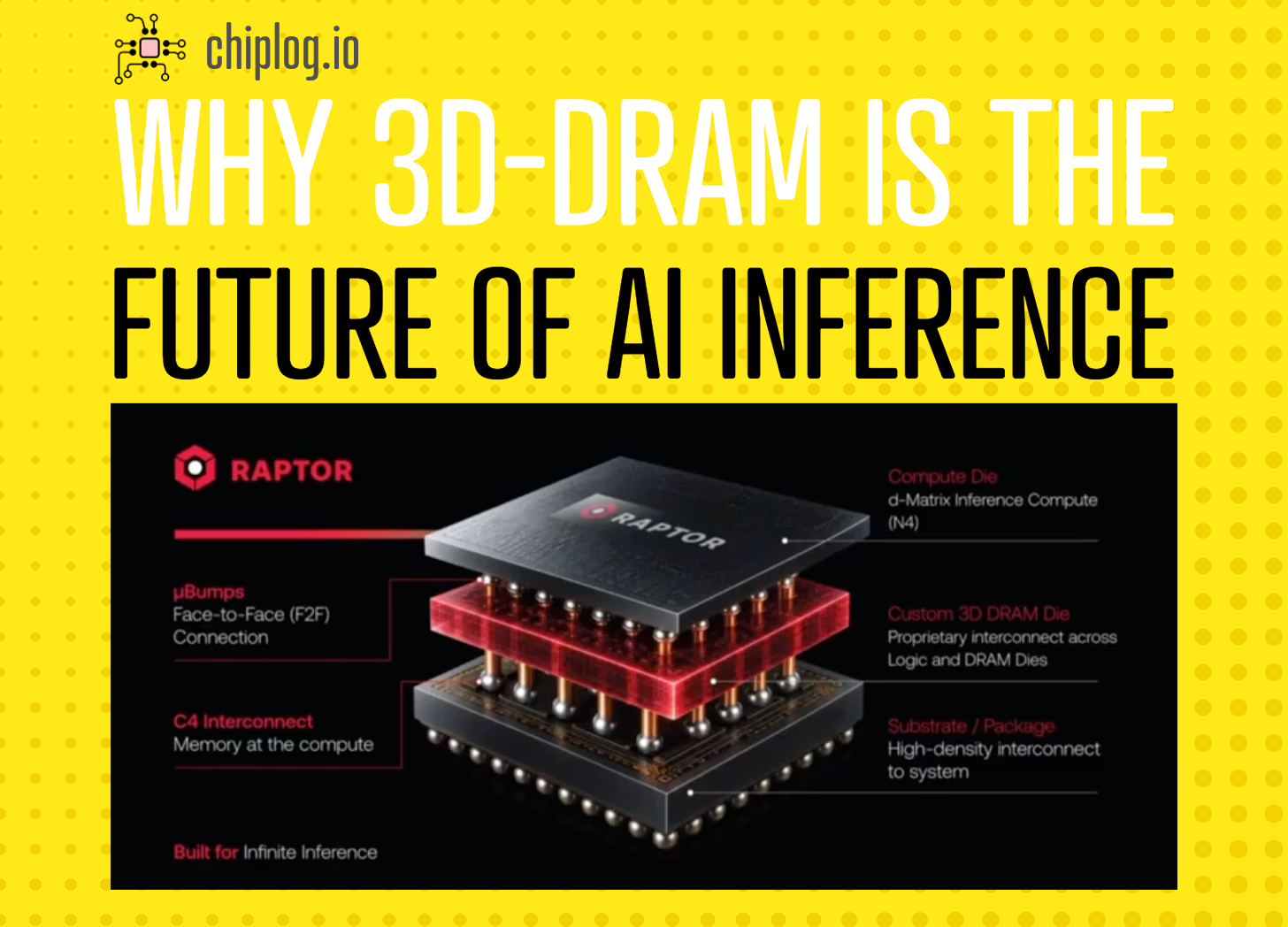
An analysis of why hardware architects are increasingly adopting stacked 3D-DRAM for next-generation AI accelerators.
Peter Yang announces a limited giveaway of promotional codes for paid subscribers of Creator Economy.
Gergely Orosz reports on Anthropic going public in a major industry milestone.
As AI giants approach massive public valuations, incoming political shifts threaten upcoming infrastructure growth.
Michael Spencer compares two prominent personal AI assistants in a rapidly evolving technological landscape.
Anthropic has completed the largest initial public offering in history, achieving a remarkable two trillion dollar market valuation.
An analysis of user perceptions regarding humanlike traits in conversational artificial intelligence systems.
An analysis of Nvidia's historical trajectory reveals core principles required for new computing architectures to succeed.
An architectural look at how modern computing chips manage data movement across internal components.
An analysis of user perceptions regarding humanlike traits in conversational artificial intelligence systems.
An analysis of user perceptions regarding humanlike traits in conversational artificial intelligence systems.
An exploration of high-spend AI-driven software development workflows and massive pull request volumes.
Michael Spencer compares two prominent personal AI assistants in a rapidly evolving technological landscape.
An exploration of high-spend AI-driven software development workflows and massive pull request volumes.
An analysis of Nvidia's historical trajectory reveals core principles required for new computing architectures to succeed.
An architectural look at how modern computing chips manage data movement across internal components.
As the hardware landscape fragments into a dizzying array of acronyms, engineers must distinguish between genuine architectural breakthroughs and mere branding exercises.
A technical breakdown of major industry conferences that shape hardware engineering roadmaps.
An exploration of custom accelerators and mapping algorithms to silicon.
An open-source custom hardware accelerator project aims to bridge the gap between software and silicon by focusing on matrix multiplication.
An exploration of utilization, throughput, and latency using the TinyXPU architecture.
Historical parallels suggest that scaling AI compute depends more on power and cooling than silicon.
Bharath Suresh introduces a new video format aimed at retaining semiconductor industry insights.
A technical breakdown of how power, performance, and area are measured as hardware moves from RTL code to physical silicon.
A foundational look at how local hardware and software stack up during a standard inference call.
An expert examination of how datacenter GPUs retain value, transition across different economic lives, and continue generating demand long after newer chip generations arrive on the market.
An engineering guide to understanding DRAM subsystems, timing parameters, and memory bottlenecks.
An analysis of five distinct architectural methods for integrating DRAM and compute silicon.
A technical breakdown of the GB10 system-on-chip powering NVIDIA's newly shipped DGX Spark hardware.
Nvidia introduces the Rubin CPX processor to disaggregate LLM prefill and decode stages for cheaper inference.
NVIDIA unveiled a new appliance to expand KV cache capacity beyond the GPU rack.
Subbu details how the NVIDIA and Mellanox partnership systematically eliminated network bottlenecks to establish absolute dominance in modern AI data centers.
Chip Log explores how Cisco's controversial spin-in model inadvertently funded Arista and Pensando.
Speculative decoding splits inference into distinct drafting and verification phases, requiring heterogeneous hardware.
Deploying cutting edge AI hardware involves massive operational hurdles and hardware reliability challenges.
Memory chipmakers reach historic financial milestones driven by unprecedented artificial intelligence demand and long-term supply agreements.
Hardware architectures shift as companies explore splitting attention and feed-forward networks.
Qualcomm enters the AI infrastructure race through a strategic acquisition and new silicon roadmap.
Subbu previews major architectural reveals at Hot Chips 2026, highlighting d-Matrix's 3D DRAM innovations.
Samsung and SK Hynix outline HBM4 memory advancements while highlighting significant hardware trade-offs.
An analysis of why hardware architects are increasingly adopting stacked 3D-DRAM for next-generation AI accelerators.
An analysis of Nvidia's historical trajectory reveals core principles required for new computing architectures to succeed.
An exploration of custom accelerators and mapping algorithms to silicon.
An open-source custom hardware accelerator project aims to bridge the gap between software and silicon by focusing on matrix multiplication.
An exploration of utilization, throughput, and latency using the TinyXPU architecture.
Historical parallels suggest that scaling AI compute depends more on power and cooling than silicon.
Bharath Suresh introduces a new video format aimed at retaining semiconductor industry insights.
A technical breakdown of how power, performance, and area are measured as hardware moves from RTL code to physical silicon.
A foundational look at how local hardware and software stack up during a standard inference call.
Peter Yang announces a limited giveaway of promotional codes for paid subscribers of Creator Economy.
Ruben Dominguez examines the operational challenges of preventing knowledge rot in team artificial intelligence architectures.
An exploration of production challenges, evaluation strategies, and architectural approaches for deploying enterprise-scale autonomous AI agents.
An analysis of how generative artificial intelligence impacts technical content creation and research workflows.
Peter Yang announces a limited giveaway of promotional codes for paid subscribers of Creator Economy.
Gergely Orosz reports on Anthropic going public in a major industry milestone.
Gergely Orosz reports on Anthropic going public in a major industry milestone.
As AI giants approach massive public valuations, incoming political shifts threaten upcoming infrastructure growth.
Anthropic has completed the largest initial public offering in history, achieving a remarkable two trillion dollar market valuation.
As AI giants approach massive public valuations, incoming political shifts threaten upcoming infrastructure growth.
No articles match this category or search.