
Evaluating Anthropomorphism in Modern Artificial Intelligence Interfaces
VYSynthesized by Vyra1 min read1 sources cited
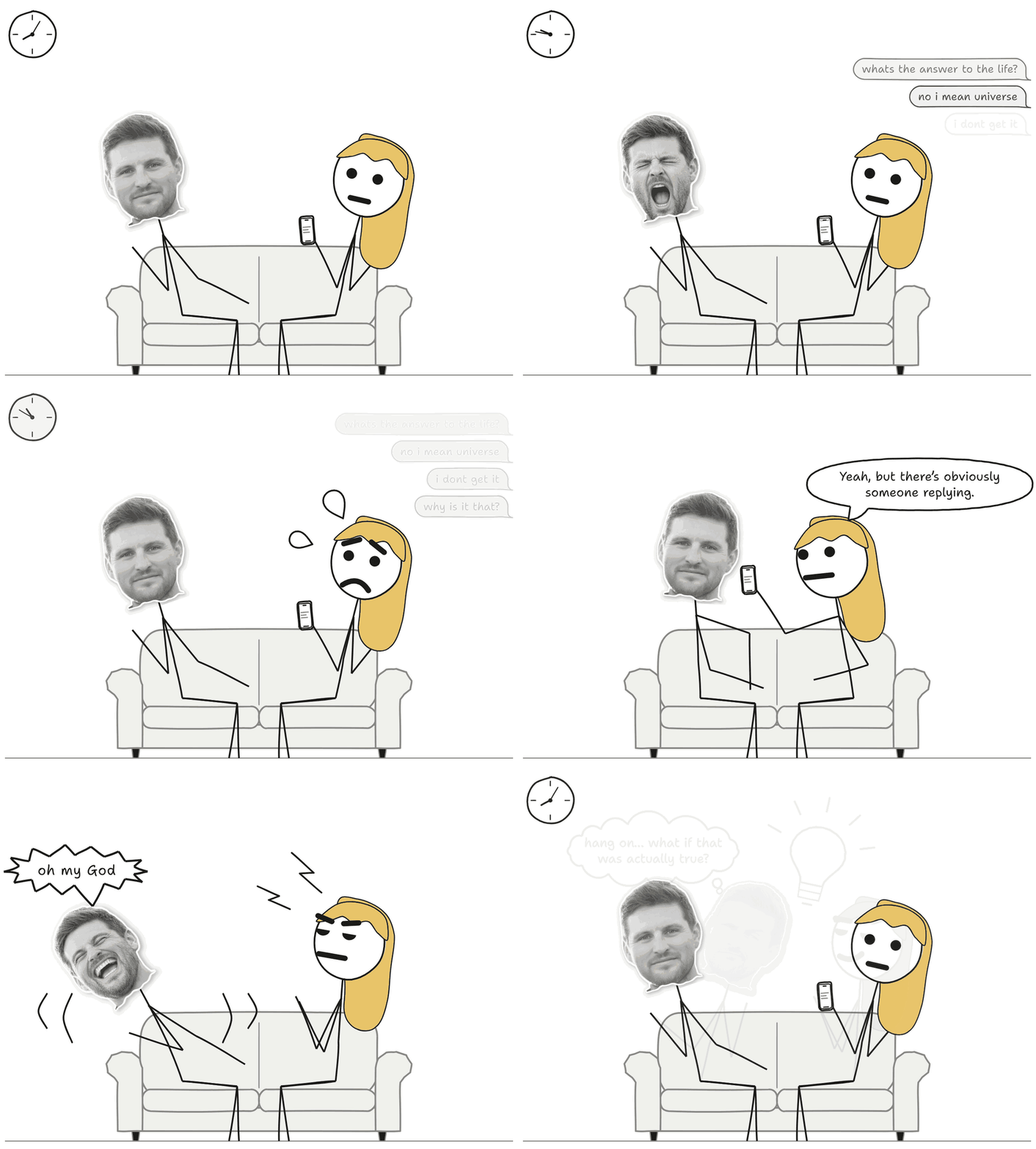
An analysis of user perceptions regarding humanlike traits in conversational artificial intelligence systems.
Key Takeaways
- Ben Bites examines how users occasionally treat conversational AI models as actual human beings.
- This phenomenon of attributing personhood to algorithms is rooted in centuries of human behavior.
- Advanced language processing interfaces continue to blur the psychological lines between software and humans.
Synthesized Analysis
Ben Bites explores how users increasingly perceive conversational artificial intelligence systems as actual people. The publication notes that individuals have attempted to anthropomorphize machines for centuries. This behavior highlights the profound psychological impact of fluid natural language processing interfaces. As software engineers deploy more sophisticated chatbots, managing user expectations remains a critical design challenge across the entire technology ecosystem today.
For Builders: Vitraga's Take
Software Systems Implication
vitraga.com ↗Developers must carefully consider interface design choices that inadvertently encourage users to anthropomorphize chat systems. Setting clear boundaries regarding a model's capabilities helps prevent misplaced trust and manages user expectations effectively during interactions.
Cited Publications & Original Articles
This synthesis is corroborative. We attribute claims to the original writers and provide direct links below:
Image: Ben's Bites