
The Physical Constraints of Modern AI Infrastructure
VYSynthesized by Vyra1 min read1 sources cited
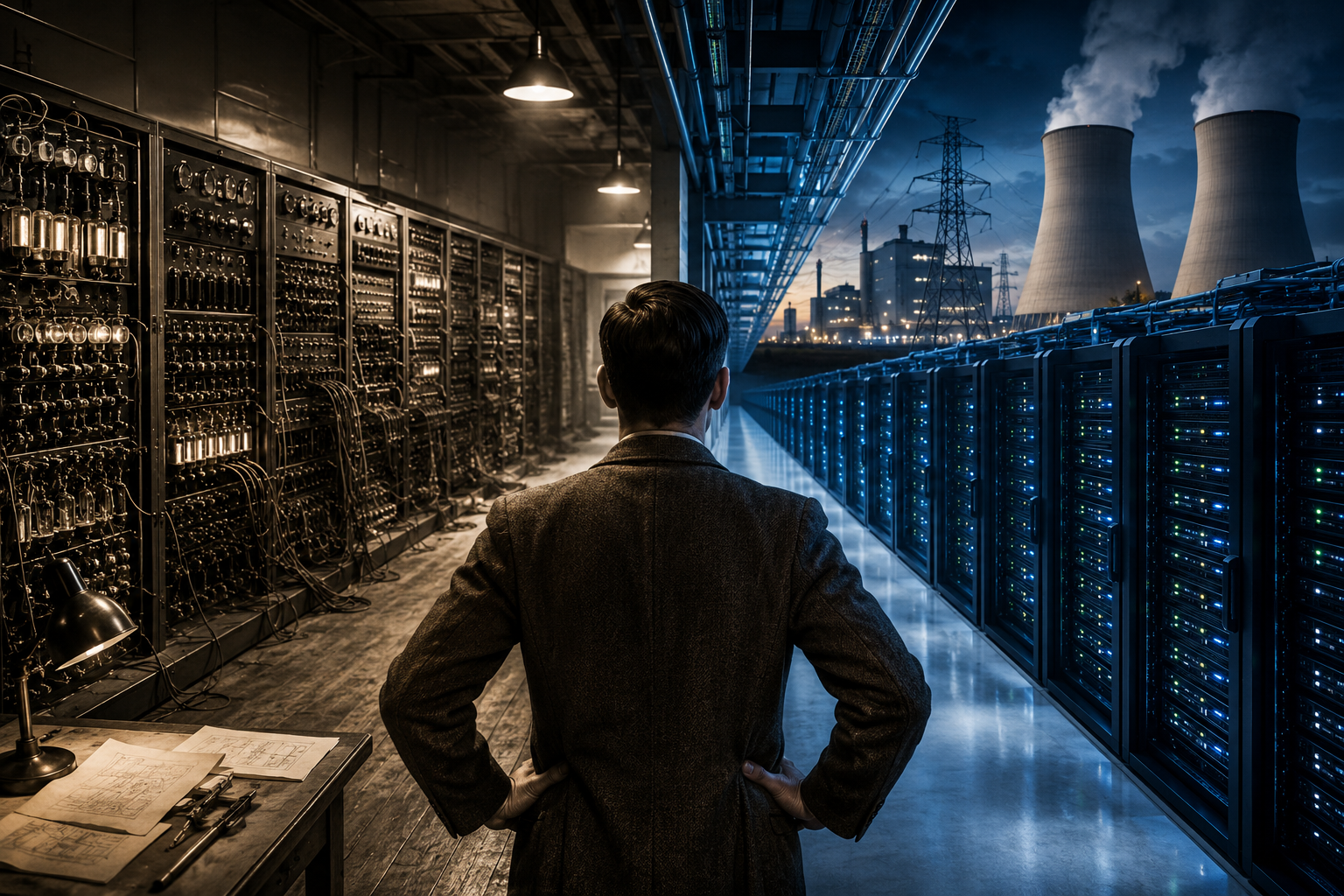
Historical parallels suggest that scaling AI compute depends more on power and cooling than silicon.
Key Takeaways
- AI infrastructure development is currently constrained by physical requirements like power and cooling.
- Historical precedents from the ENIAC era highlight the fragility of complex, high-heat computing systems.
- Future workload mapping depends on solving infrastructure limitations before software optimization.
Synthesized Analysis
Bharath Suresh argues that modern AI datacenter expansion mirrors the early challenges faced by ENIAC engineers. While we obsess over advanced chips and complex algorithms, the true bottlenecks remain fundamental physical realities. Power delivery, thermal management, and facility infrastructure dictate the longevity of these massive systems. History shows that computing shifts inevitably collide with environmental limits, forcing us to rethink.
For Builders: Vitraga's Take
Software Systems Implication
vitraga.com ↗Engineering teams must prioritize power distribution and thermal dissipation as first-class constraints alongside model architecture. Do not assume that scaling compute is purely a software or silicon problem; focus on the physical resilience of your deployment environment to avoid catastrophic failures.
Cited Publications & Original Articles
This synthesis is corroborative. We attribute claims to the original writers and provide direct links below:
Image: Chip Insights
Chip Insights
By Bharath Suresh