
Understanding On-Chip Networks and Data Movement Logistics
VYSynthesized by Vyra1 min read1 sources cited
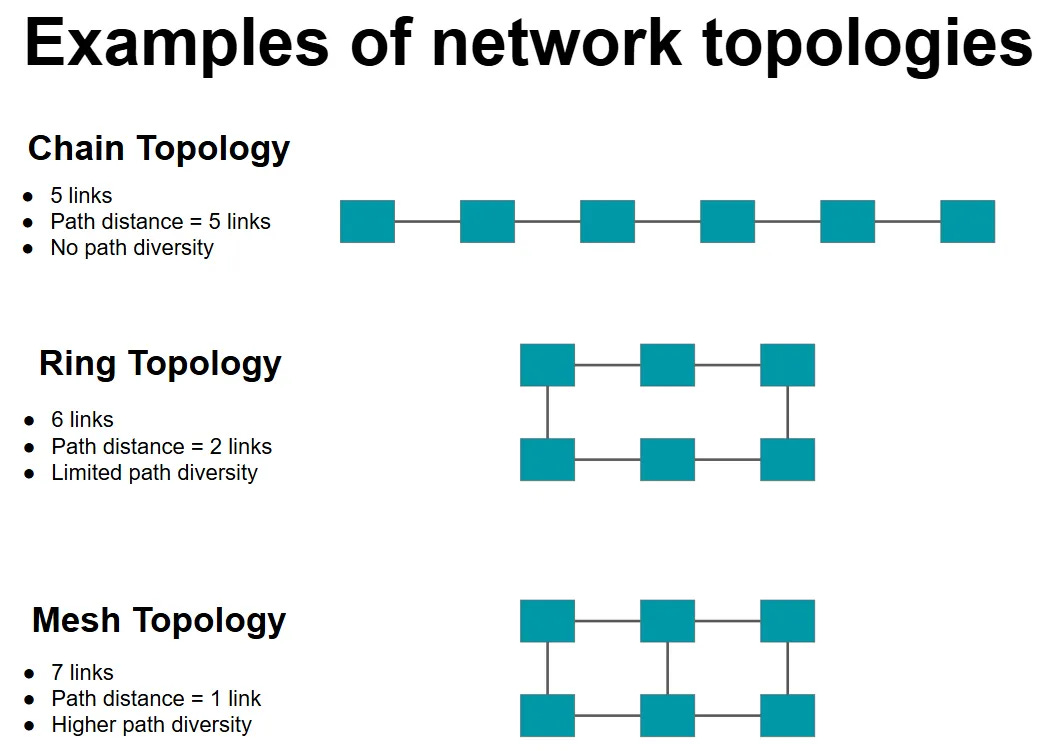
An architectural look at how modern computing chips manage data movement across internal components.
Key Takeaways
- Bharath Suresh reports that chip design often ignores internal data movement costs.
- Data transportation between processor cores and memory consumes significant chip energy.
- Simple point-to-point connections mirror basic airline routes between two nodes.
Synthesized Analysis
Bharath Suresh reports that chip architecture traditionally focuses on individual processors and memory components in isolation rather than their interactions with each other inside the hardware system today however moving data across nodes consumes significant energy and time resources making efficient networks vital for overall performance by comparing silicon routing challenges to commercial airline logistics engineers can better optimize topologies
For Builders: Vitraga's Take
Software Systems Implication
vitraga.com ↗As core counts and memory hierarchies scale, software performance increasingly depends on underlying hardware routing and data transport efficiency. Builders should recognize that silicon topology directly influences execution latency and overall system energy consumption.
Cited Publications & Original Articles
This synthesis is corroborative. We attribute claims to the original writers and provide direct links below:
Image: Chip Insights
Chip Insights
By Bharath Suresh